Every first-time traveler asks me the same question over coffee or on a video call. Kenya or South Africa, which one should I actually book? This Kenya vs South Africa safari comparison gives you the real costs, wildlife facts, and safety details you need to decide, not just opinions. I get it. Both countries show up on every “best safari” list, both have lions and elephants, and both cost real money to visit. You need someone to actually answer the question, not just describe both places nicely.
I have run trips to the Masai Mara for over a decade, so I will be upfront about that bias. But I will also tell you where South Africa genuinely wins, because a good trip planner tells you the truth, not just the sales pitch.
Wildlife: Big Five and Big Cats
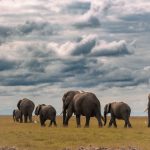
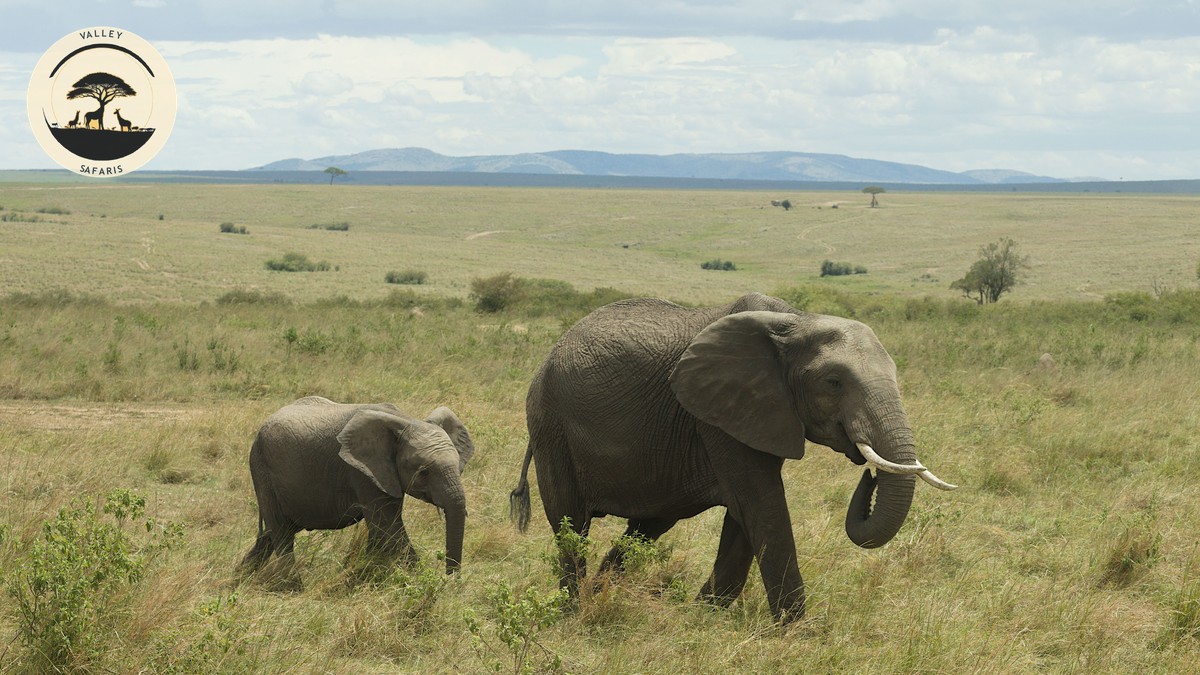
Both countries deliver the Big Five: lion, leopard, elephant, buffalo, and rhino. The Masai Mara has one of the highest lion densities in Africa, with an estimated 25 to 30 lions per 100 square kilometers in peak zones. Kruger National Park spreads its wildlife across 19,485 square kilometers, so animals are more dispersed but sightings are steady year-round.
If you want dense predator action in a small area, the Mara Triangle and nearby conservancies like Olare Motorogi deliver it fast, often within your first game drive. Kruger rewards patience and multiple days, but it rarely disappoints over a full week.
The Great Migration vs Year-Round Viewing
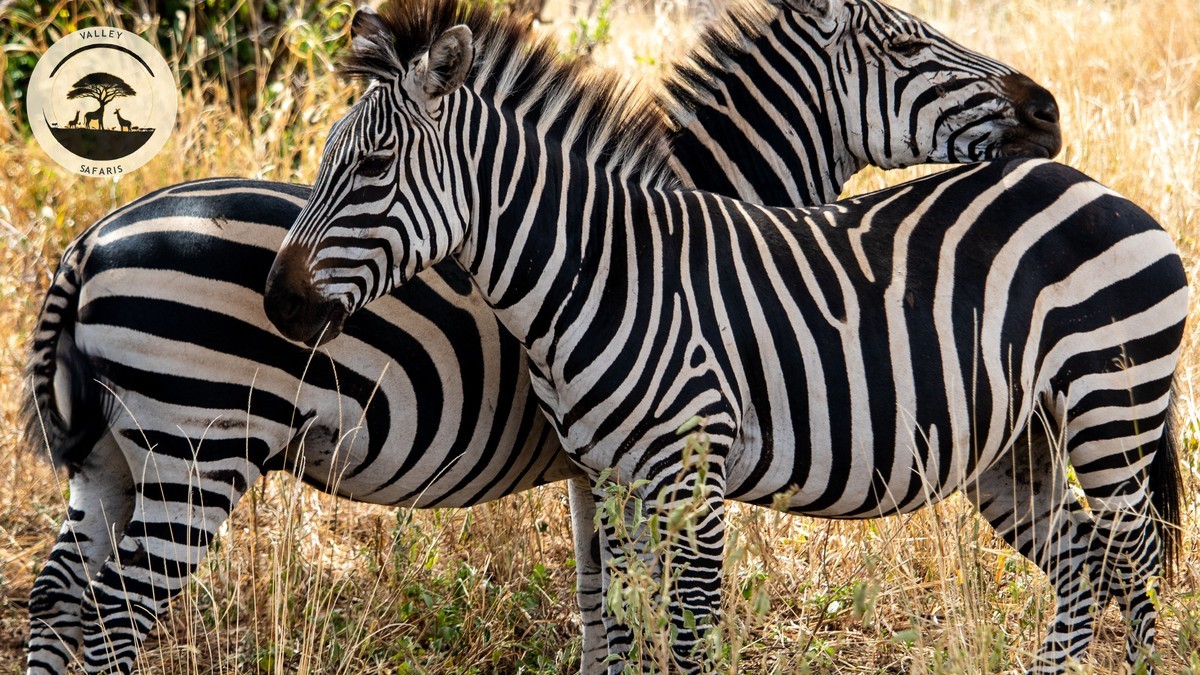
This is Kenya’s single biggest card. Between July and October, over 1.5 million wildebeest and 200,000 zebra cross the Mara River from Tanzania’s Serengeti. It is loud, chaotic, and genuinely hard to describe until you have watched a crossing at the Mara River near Serena Pool.
South Africa has no equivalent migration. What it offers instead is reliability. Kruger’s wildlife does not migrate seasonally in the same dramatic way, so a March safari looks a lot like a September one. If your travel dates are fixed and cannot move around a migration calendar, that consistency matters.
Landscape and Scenery
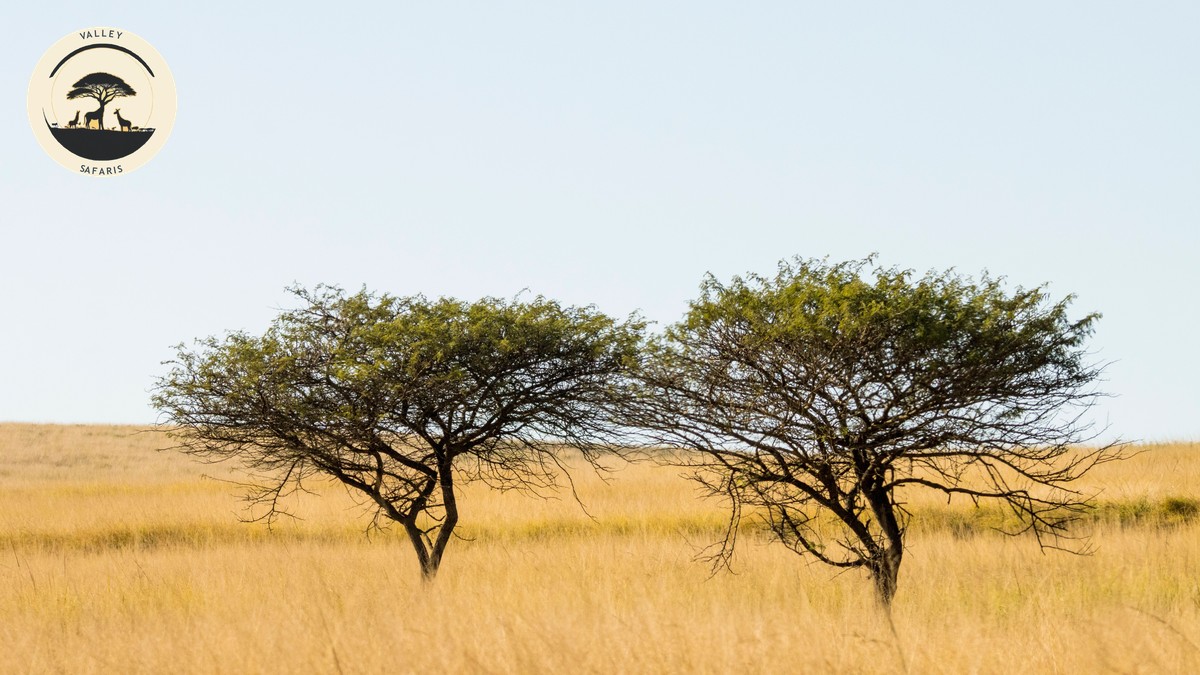
The Mara is open, rolling grassland, and you can often see for kilometers in every direction. It photographs beautifully because there is little in the way. Kruger, and the private reserves next to it like Sabi Sands and Timbavati, is denser bushveld with mopane trees and riverine forest, so sightings feel closer and more intimate but the horizon disappears.
Accommodation Style
Kenya leans toward tented camps, canvas walls, wooden decks, and a campfire at night. Camps like Governors Camp or Mara Serena sit right in the reserve or on private conservancy land bordering it.
South Africa leans toward brick and thatch lodges with plunge pools, especially in Sabi Sands, where lodges like Singita Sweni and Londolozi sit on private land next to Kruger with no fences between properties. Kruger’s own SANParks rest camps, like Skukuza, offer simple self-catering chalets for a fraction of the private lodge price.
Kenya vs South Africa Safari Comparison: Cost Breakdown
Here is where operator sites tend to go vague. I will not.
| Item | Kenya (Masai Mara) | South Africa (Kruger area) |
|---|---|---|
| Non-resident park fee, per adult per day | Approx. USD 200 in peak season (Masai Mara National Reserve, Narok County) | Approx. ZAR 540, about USD 29 (SANParks daily conservation fee, Kruger) |
| Mid-range tented camp/lodge, per night, all-inclusive | USD 350 to 550 per person | USD 300 to 500 per person (private reserve lodge) |
| Luxury camp/lodge, per night, all-inclusive | USD 600 to 950 per person | USD 800 to 1,500 per person (Sabi Sands) |
| Self-drive budget option | Not really available in the Mara Reserve itself | SANParks rest camp from USD 100 to 250 per night, self-catering |
| Typical internal transport | Light aircraft, Nairobi to Mara airstrip, about 45 minutes | Self-drive from Johannesburg, about 450 km, 5 hours, or 1-hour flight to Kruger Mpumalanga International |
Those Masai Mara fees are not fixed forever. Narok County has raised them before, and operators are watching closely for the 2026 Masai Mara conservation fee increase. If you want the full current breakdown by reserve and conservancy, we keep it updated on our page covering current non-resident park fees in Kenya.
The honest summary: Kenya usually costs more per day because you are flying between camps and paying higher reserve fees. South Africa can be cheaper if you self-drive Kruger, but private reserve lodges there can also run higher than Kenya’s top camps.
Accessibility and Flights
Nairobi’s Jomo Kenyatta International Airport connects directly to major hubs in Europe, the Middle East, and increasingly the US. From Nairobi, most Mara camps are a short charter flight away.
Johannesburg’s OR Tambo is one of the best-connected airports on the continent, with direct flights from the US, Europe, and Asia. From there, Kruger is a manageable drive or a quick domestic flight, which makes South Africa easier for travelers who want to rent a car and explore independently.
Safety
Both countries are visited by millions of tourists yearly without incident inside tourism corridors. Nairobi and Johannesburg both have areas that require normal city caution, the kind you would use in any large city. Inside the parks and reserves themselves, safety records for both destinations are strong, and licensed guides know the terrain and animal behavior.
If you are asking whether a Kenya safari is safe right now, the reserves and conservancies see heavy daily tourist traffic and experienced ranger presence. The same is true of Kruger and the private reserves around it.
Family-Friendliness and Malaria Risk
This is the trade-off I will not soften. South Africa has malaria-free options, including the Eastern Cape’s Kwandwe or Shamwari reserves, which makes it a genuinely easier choice for families with young children. Kruger itself does carry malaria risk, so families often choose those malaria-free reserves instead.
Kenya’s Masai Mara is a malaria risk area, and no part of the reserve avoids it. Families traveling with young kids need to plan prophylaxis with a doctor well before departure. If malaria-free travel is your top priority, South Africa’s malaria-free reserves are the more straightforward answer, and I will tell any family that directly.
Combining Safari with Other Destinations
South Africa pairs naturally with Cape Town and the Winelands, so you can do five days of safari and five days of city, beach, and vineyards in one trip without much extra flying.
Kenya pairs well with a beach extension in Diani or Watamu on the coast, or with a side trip to Zanzibar in neighboring Tanzania. Some travelers also combine a Mara safari with a few days in the Serengeti, though that means crossing an international border mid-trip.
Best Time to Visit
Kenya’s dry seasons, January to March and July to October, offer the clearest game viewing, with the Great Migration crossing typically peaking between August and September. Rainfall patterns can shift year to year, so check Kenya’s 2026 safari weather forecast before locking in dates.
South Africa’s dry winter months, May to September, push animals toward waterholes and rivers, making sightings easier in Kruger. Summer months bring lush green scenery but thicker bush, which can make animals harder to spot.
The Valley Safaris Difference
We are a Kenya-based operator, so we will not pretend to know Kruger the way we know the Mara. What we do offer is honesty about what Kenya does well and where it does not win.
We quote real prices upfront, including park fees, not just camp rates. We offer installment payment plans for travelers who want to book early and pay over several months, and we accept M-Pesa for clients paying in Kenyan shillings. Our guides know which conservancies have fewer vehicles per sighting, which matters more than most brochures admit.
If South Africa’s malaria-free reserves or self-drive savings matter more to your family, we will tell you that plainly, even though it means recommending a trip we cannot sell you.
So Which One Should You Choose?
If you want the Great Migration, open plains, and tented camp romance, and you are comfortable with malaria prophylaxis, Kenya is hard to beat, especially between July and October. If you are traveling with young children, want a malaria-free option, or want to self-drive on a tighter budget, South Africa’s Kruger area and its malaria-free reserves make more sense.
Both are extraordinary first safaris. Neither is the wrong answer. The right one depends on your dates, your budget, and who is coming with you.
Plan Your Trip With Us
If Kenya sounds like the right fit after everything above, we would love to help you build the itinerary. Take a look at our Masai Mara safari tours or reach out through our contact page to start planning your dates, budget, and camp choices together.